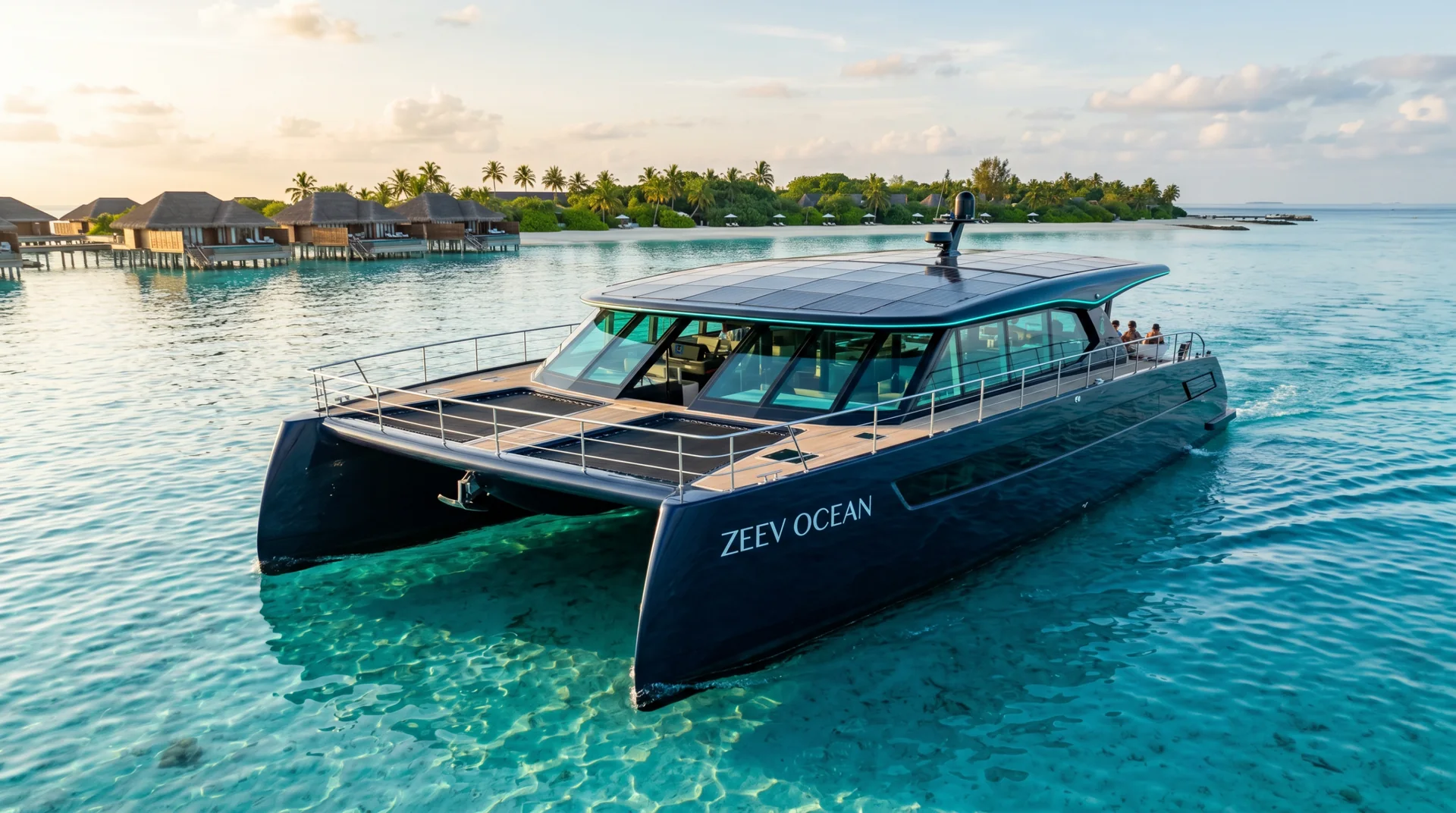
Electric vessels begin with the route.
ZEEV helps resorts, marine operators and route owners determine where electric vessels make operational and commercial sense — then builds the pathway to deployment.
The vessel is not the starting point.
Electric marine deployment works when the route, economics, charging and vessel are treated as one operating decision.
Route first. Finance second. Vessel third.
Understand the operation.
Distance, speed, passenger or cargo load, daily movement and realistic charging windows define what the vessel actually has to achieve.
Test whether the case is worth funding.
Operating cost, utilisation, infrastructure and capital requirements determine whether electric deployment makes commercial sense.
Match the technology to the route.
Only then should vessel platform, propulsion, battery, charging and deployment capability be selected.
Not every route should be electric. The objective is to identify the ones that genuinely deserve deeper assessment.
Why ZEEV →Start with routes that repeat.
Electric marine deployment becomes more interesting when distance, speed, daily movement and charging opportunities can be clearly understood.
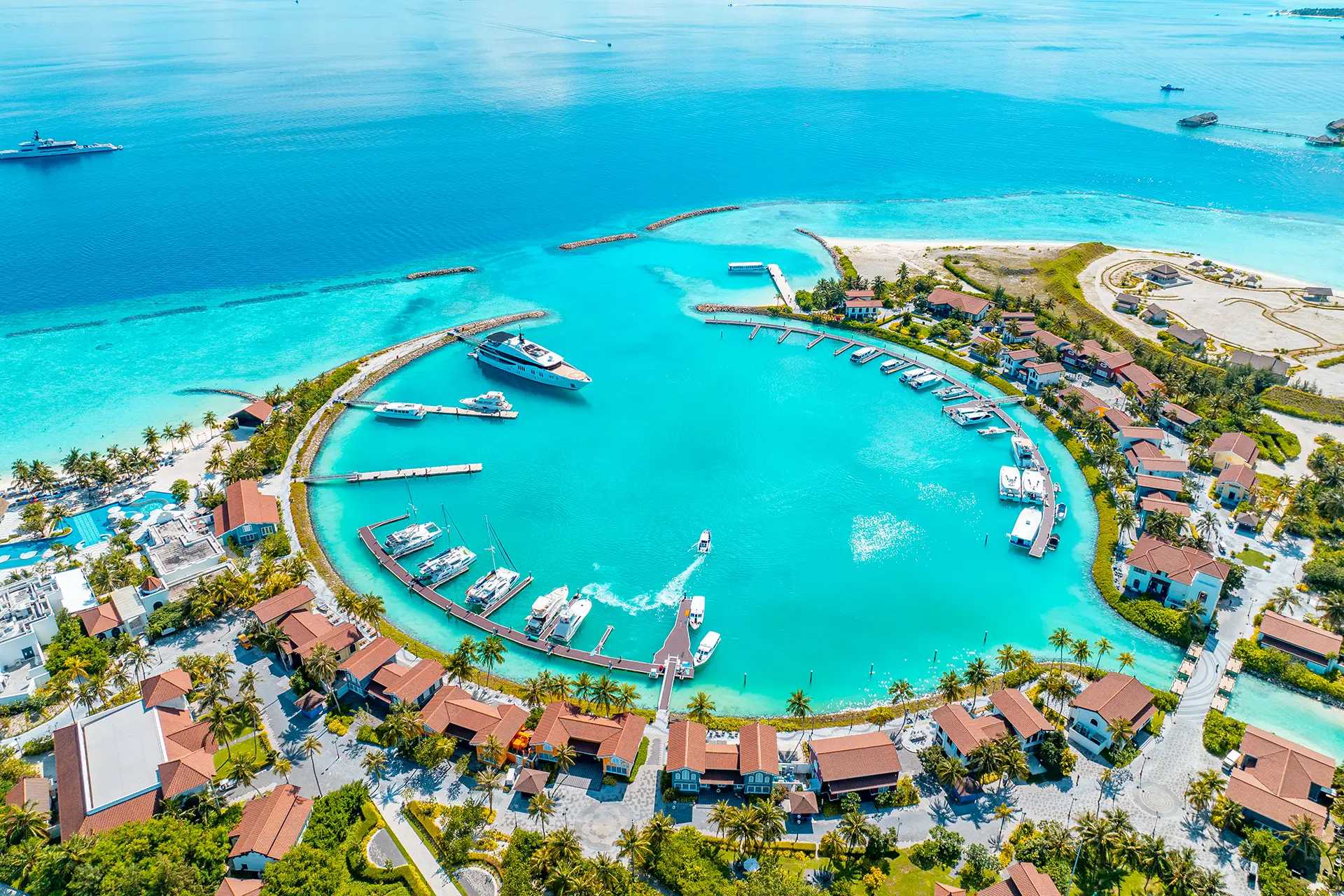
Guest transfers, lagoon mobility and service routes.
Repeated movement from a known operating base can create strong routes for assessment.
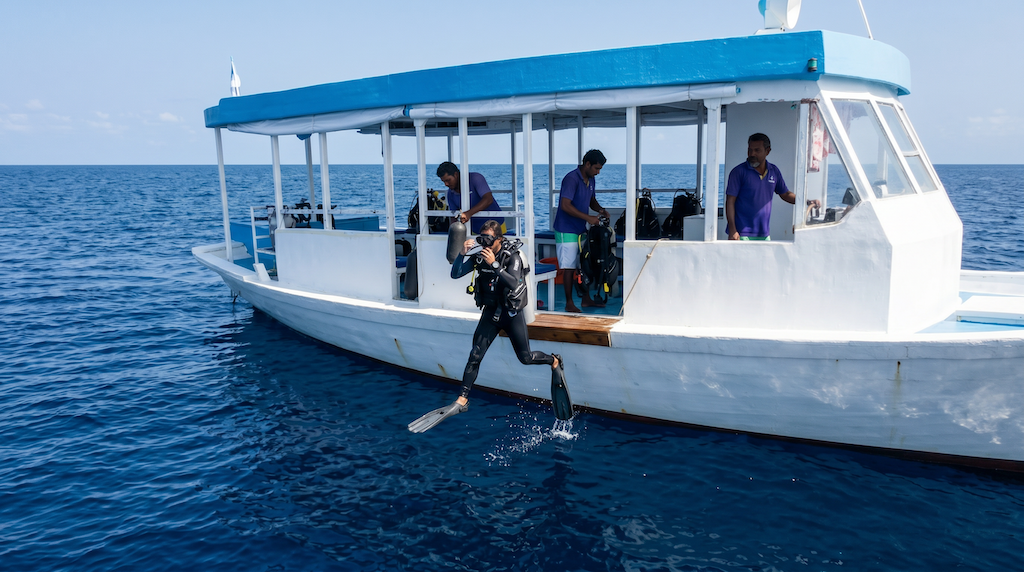
Predictable guest routes from a defined base.
Dive, snorkelling and leisure trips can combine repeatable duty cycles with quieter marine movement.
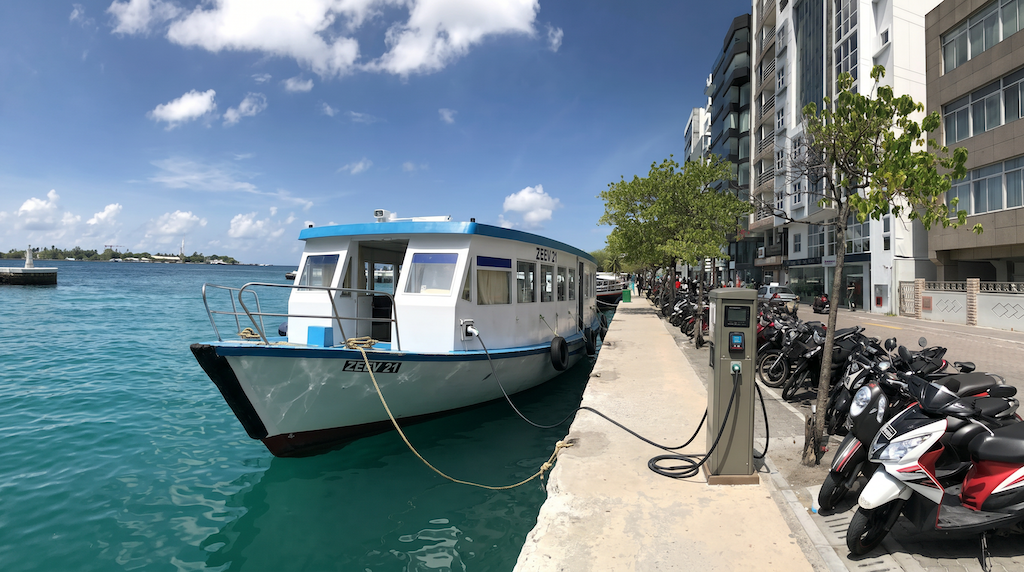
Airport, island and ferry routes.
Defined routes and high utilisation can strengthen the case — provided speed and charging still work.
The type of boat does not determine whether electric works. The operating pattern does.
A good route still has to become a real project.
Once the operating case looks credible, ZEEV helps connect the economics, commercial structure and deployment capability required to move toward a working marine asset.
Route Economics
Compare the real route, utilisation, energy cost and asset requirement before deciding whether electric deserves investment.
Explore Route Economics →Deployment & Finance
Evaluate how the vessel, infrastructure and capital can be structured around a commercially credible operating requirement.
Explore Deployment & Finance →The ZEEV Ecosystem
Bring together the vessel, propulsion, charging, boatbuilding and local support capability required by the specific project.
Explore the Ecosystem →Economics, finance and technology should support the same route.
ZEEV’s role is to connect decisions that are often made separately — before major capital is committed.
Start with the operating requirement. The rest of the project should follow from the evidence.
Assess Your Route →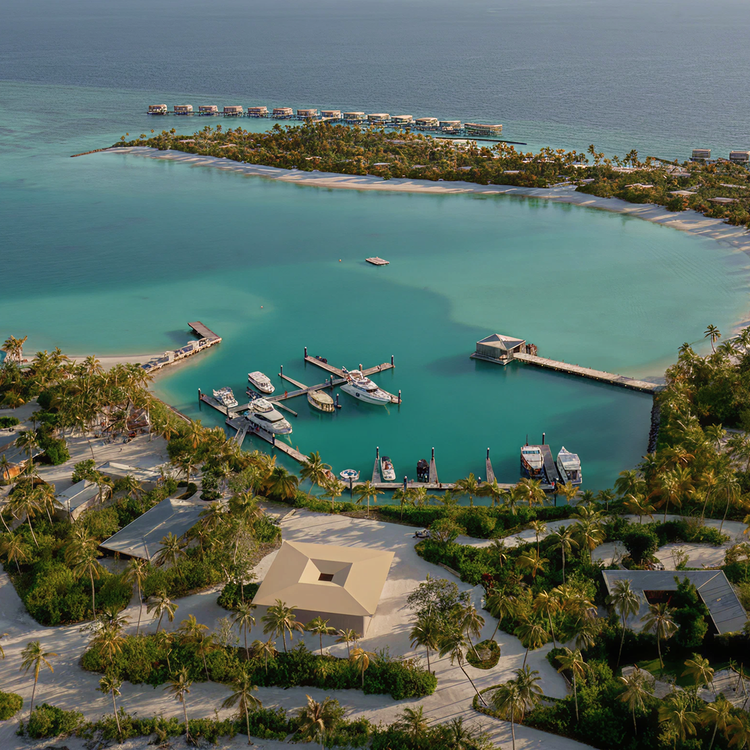
Have a marine route worth assessing?
Tell ZEEV what the vessel needs to do. You do not need a complete technical specification to begin.