Build the capability around the route.
Electric marine deployment can involve vessel design, propulsion, batteries, charging, local boatbuilding, finance and operational support. ZEEV brings these decisions together around one operating requirement.
The ecosystem follows the project. The project does not follow a supplier catalogue.
ZEEV coordinates the pieces that have to work together.
Coordinates the deployment case around the route.
Start with the requirement. Add capability only when it earns a place.
ZEEV does not begin by choosing a motor, battery or vessel. The operating requirement defines what the project needs, and the ecosystem is assembled around that evidence.
What must the vessel actually do?
Route, speed, payload, daily utilisation, operating base and charging opportunity define the problem before technology is selected.
Select the technologies that fit the duty cycle.
Vessel platform, propulsion, batteries, charging and integration are matched to the real operating requirement rather than treated as independent purchases.
Turn compatibility into a deployment pathway.
Local construction, commissioning, finance, infrastructure and operating support are brought into the project so the solution can move beyond specification.
The best ecosystem is the one that fits the route.
Different projects may require different vessel platforms, propulsion systems, battery architectures or charging strategies. ZEEV’s role is to keep the project requirement at the centre of those choices.
An electric vessel is a system, not a collection of components.
Hull efficiency, propulsion, battery capacity and charging strategy have to work around the same duty cycle. Changing one can change the requirements of everything else.
Start with a hull that supports the mission.
Vessel size, hull form, payload, passenger capacity, operating speed and sea conditions influence how much energy the route requires.
Match propulsion power to real operating demand.
Motors, drives and control systems need to deliver the required performance without oversizing the entire electrical architecture.
Carry enough energy — without carrying unnecessary battery.
Battery capacity should reflect route energy, operational reserve, charging opportunities, weight and the vessel’s daily utilisation.
Make charging part of the operation.
Shore power, charger capacity, turnaround time and operating-base infrastructure must support the vessel’s real timetable.
Compatibility matters more than individual specifications.
A high-performance motor, large battery or powerful charger does not create a good project on its own. ZEEV evaluates how the complete system supports the route, vessel and operating environment together.
A credible technical solution still has to become a real vessel.
Once the route and technical architecture are credible, the project needs a practical pathway through boatbuilding, integration, finance, commissioning and operational support.
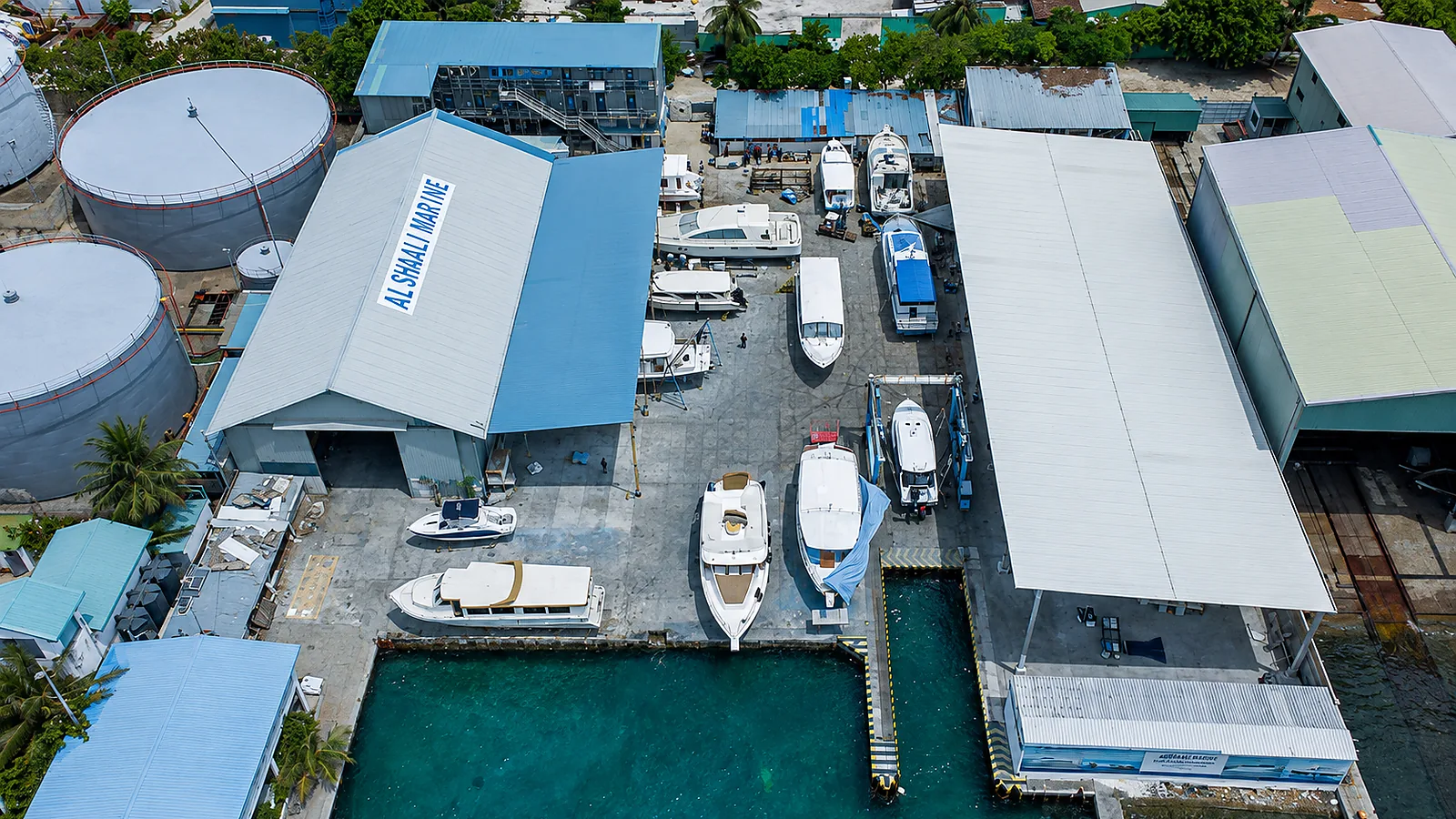
Established local boatbuilding and marine deployment capability in the Maldives.
Turning the approved concept into a buildable asset.
Through collaboration with Al Shaali Marine Maldives, ZEEV can connect suitable route-led projects with established local boatbuilding capability and practical vessel deployment support.
Structure capital around a project that can be understood.
Route economics, vessel cost, operating savings, asset structure and customer requirements help determine which financing pathway is appropriate.
Explore Deployment & Finance →Coordinate what has to happen before launch.
Vessel construction, charging readiness, technical integration, commissioning and operating support need to reach the same project timeline.
Local capability reduces the distance between a concept and a working vessel.
ZEEV’s ecosystem connects international electric marine capability with the local construction, infrastructure, finance and operating requirements needed to deploy in the Maldives.
Someone has to keep the whole project pointed at the same route.
Vessel designers, technology providers, boatbuilders, financiers and operators can each solve part of the problem. ZEEV’s role is to keep those decisions connected to the operating requirement that created the project.
ZEEV does not need every capability in-house. It needs the right capability working together.
Bring ZEEV the route. We can determine what capability it needs.
Approximate operating information is enough to begin. The first step is deciding whether deeper assessment is justified.